
Homeopathy treatment for uterine cancer
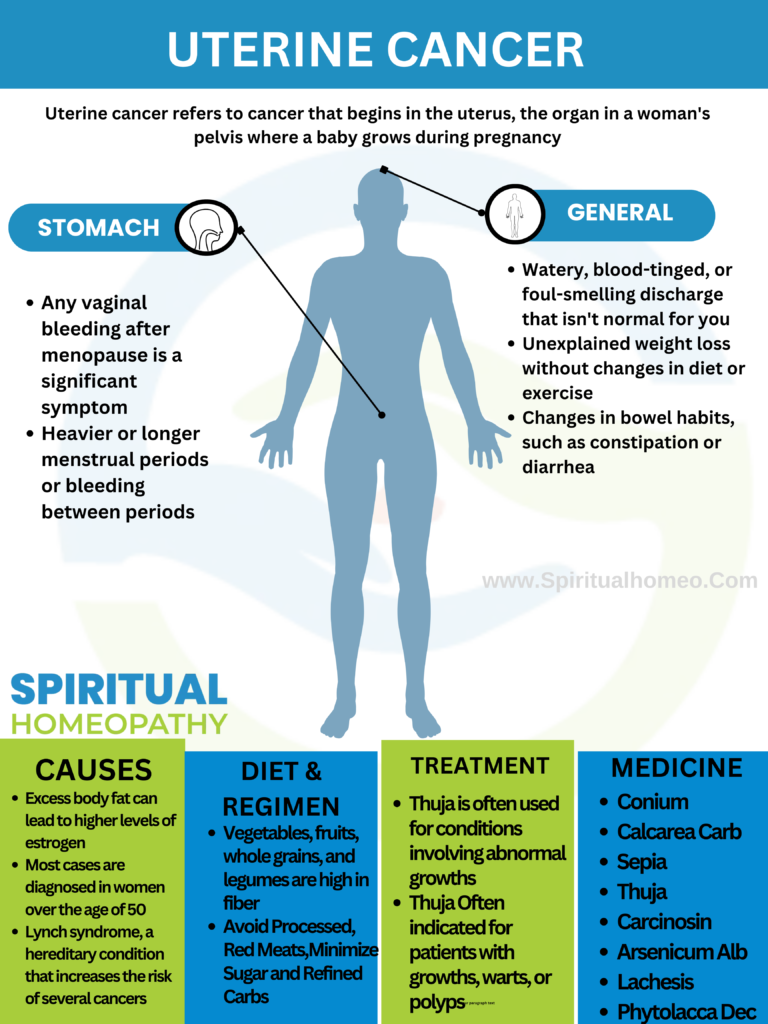
Uterine cancer refers to cancer that starts in the uterus, the pear-shaped organ in a woman’s pelvis where fetal development occurs during pregnancy. The most common type of uterine cancer is endometrial cancer, which begins in the lining of the uterus called the endometrium.
Uterine cancer refers to cancers that start in the uterus, which is the organ in a woman’s pelvis where a fetus develops during pregnancy. The primary types of uterine cancer are endometrial cancer and uterine sarcoma.
Types of Uterine Cancer
Endometrial Cancer:
- Description: This is the most common type of uterine cancer, originating in the endometrium, the lining of the uterus.
- Subtypes:
- Endometrioid Adenocarcinoma: The most common subtype, resembling normal endometrial tissue.
- Serous Carcinoma: More aggressive and often diagnosed at a later stage.
- Clear Cell Carcinoma: Rare and more aggressive.
- Papillary Carcinoma: Characterized by finger-like projections in the cancer cells.
Uterine Sarcoma:
- Description: Less common and originates in the muscle or connective tissue of the uterus.
- Subtypes:
- Leiomyosarcoma: Starts in the smooth muscle cells of the uterus.
- Endometrial Stromal Sarcoma: Begins in the connective tissue of the endometrium.
- Undifferentiated Sarcoma: A rare, aggressive form that does not resemble normal uterine tissue.
The signs and symptoms of uterine cancer can vary depending on the type and stage of the disease. Here are the most common symptoms associated with uterine cancer:
Common Symptoms
Abnormal Vaginal Bleeding:
- Post-Menopausal Bleeding: Bleeding that occurs after menopause is a significant indicator.
- Intermenstrual Bleeding: Bleeding or spotting between menstrual periods.
- Heavy or Irregular Menstrual Bleeding: For premenopausal women, unusually heavy or prolonged periods can be a symptom.
Pelvic Pain or Discomfort:
- Persistent or recurrent pelvic pain, pressure, or a feeling of fullness in the pelvic area.
Abnormal Vaginal Discharge:
- Discharge that may be blood-stained, watery, or have an unusual odor.
Pain During Intercourse:
- Pain or discomfort during sexual activity.
Unexplained Weight Loss:
- Sudden and unexplained loss of weight that is not related to changes in diet or exercise.
Painful Urination or Difficulty Urinating:
- Pain or difficulty when urinating, which can occur if the cancer affects the bladder or urinary tract.
Bloating or Swelling:
- Abdominal bloating or swelling, particularly if persistent.
Fatigue:
- Persistent tiredness or fatigue that doesn’t improve with rest.
Less Common Symptoms
Swollen Abdomen:
- An enlarged abdomen or a noticeable increase in abdominal girth.
Anemia:
- Symptoms related to anemia, such as unusual tiredness or weakness, may occur if there is significant bleeding.
Back Pain:
- Pain in the lower back that might be associated with advanced disease.
comes.
The exact cause of uterine cancer is not fully understood, but several risk factors are associated with an increased likelihood of developing the disease. These risk factors can influence the likelihood of developing uterine cancer, particularly endometrial cancer. Here are some key factors that may contribute to the development of uterine cancer:
Hormonal Factors
Excess Estrogen:
- Unopposed Estrogen: Exposure to estrogen without the balancing effect of progesterone increases the risk. This can occur with conditions like polycystic ovary syndrome (PCOS) or when estrogen is taken without progesterone in hormone replacement therapy.
Early Menarche and Late Menopause:
- Early Onset of Menstruation: Starting menstruation at a young age.
- Late Onset of Menopause: Experiencing menopause later than average prolongs the exposure to estrogen.
Obesity and Metabolic Factors
Obesity:
- Excess body fat can lead to higher levels of estrogen in the body, increasing the risk of uterine cancer.
Diabetes:
- Type 2 diabetes is associated with an increased risk of uterine cancer, possibly due to its link with obesity and hormonal imbalances.
Reproductive History
Nulliparity:
- Women who have never been pregnant have a higher risk.
Infertility:
- Difficulty in becoming pregnant or having a history of infertility may be associated with increased risk.
Genetic and Family Factors
Family History:
- A family history of uterine cancer, ovarian cancer, or breast cancer can increase the risk.
Genetic Conditions:
- Lynch Syndrome: An inherited condition that increases the risk of several cancers, including uterine cancer.
- Cowden Syndrome: A rare genetic disorder that increases the risk of multiple cancers, including uterine cancer.
Medical History and Conditions
Hormone Replacement Therapy (HRT):
- Use of estrogen-only hormone replacement therapy increases the risk of uterine cancer.
Previous Pelvic Radiation:
- Radiation therapy to the pelvic region for other cancers can increase the risk of uterine cancer.
Lifestyle Factors
Diet and Physical Activity:
- Poor diet, lack of physical activity, and unhealthy lifestyle choices can contribute to obesity and hormonal imbalances, thereby increasing the risk.
Smoking:
- Although less strongly associated with uterine cancer compared to other cancers, smoking may still play a role in increasing risk.
Diet plays an important role in supporting the body during cancer treatment, including uterine cancer. While it’s essential to follow the specific advice of your healthcare team, here are general dietary recommendations that might help:
1. Fruits and Vegetables
- Leafy greens (spinach, kale, broccoli): Rich in antioxidants and nutrients.
- Berries (blueberries, strawberries): High in vitamins and antioxidants.
- Cruciferous vegetables (cauliflower, Brussels sprouts): Contain compounds that may help fight cancer.
2. Whole Grains
- Quinoa, brown rice, oats: High in fiber, which aids digestion and helps maintain energy levels.
- Whole grain bread and pasta: Provide sustained energy.
3. Lean Proteins
- Fish (salmon, mackerel): Rich in omega-3 fatty acids, which may help reduce inflammation.
- Poultry (chicken, turkey): A good source of protein without excessive fat.
- Plant-based proteins (beans, lentils, tofu): Lower in fat and high in nutrients.
4. Healthy Fats
- Olive oil, avocados, nuts: Provide essential fatty acids that support overall health.
- Flaxseeds and chia seeds: Contain omega-3 fatty acids and fiber.
5. Hydration
- Water: Staying hydrated is crucial, especially if you’re undergoing treatment.
- Herbal teas: Can provide comfort and additional nutrients without added sugar.
6. Limit or Avoid
- Processed foods: Often high in unhealthy fats, sugars, and preservatives.
- Red and processed meats: Linked to an increased risk of some cancers.
- Sugary drinks and snacks: Can lead to weight gain and other health issues.
- Alcohol: May increase the risk of certain cancers and can interfere with treatment.
7. Supplements
- Consult your healthcare provider before taking any supplements, as some might interact with cancer treatments.
8. Small, Frequent Meals
- Eating smaller, more frequent meals can help manage symptoms like nausea and maintain energy levels.
9. Organic Foods
- If possible, choose organic produce to reduce exposure to pesticides and other chemicals.
10. Probiotics
- Yogurt, kefir: Support gut health, which can be particularly important during and after cancer treatment.
Treatment for uterine cancer depends on the stage and type of the cancer, as well as the patient’s overall health. Here’s an overview of the most common treatment options:
1. Radiation Therapy
- External Beam Radiation: Directs high-energy rays at the cancer from outside the body.
- Brachytherapy: Involves placing a radioactive source inside the vagina or uterus, targeting the cancer more directly.
2. Hormone Therapy
- Used particularly for certain types of uterine cancer, such as endometrial cancer that is sensitive to hormones.
- Progestins: Synthetic forms of progesterone to slow the growth of cancer cells.
- Tamoxifen: A drug that blocks estrogen receptors on cancer cells.
- Aromatase Inhibitors: Drugs that reduce the amount of estrogen in the body.
3. Chemotherapy
- Often used if the cancer has spread beyond the uterus or if it is aggressive.
- Common drugs: Carboplatin, paclitaxel, and doxorubicin.
- May be administered intravenously or orally and is often used in combination with other treatments.
4. Targeted Therapy
- Uses drugs or other substances to specifically target cancer cells while minimizing damage to normal cells.
- Bevacizumab (Avastin): Targets the blood vessels that feed the tumor.
- mTOR inhibitors (e.g., Everolimus): Target specific pathways that cancer cells use to grow.
5. Immunotherapy
- Helps the body’s immune system recognize and fight cancer cells.
- Pembrolizumab (Keytruda): A common immunotherapy drug used for advanced or recurrent uterine cancer.
6. Clinical Trials
- Participation in clinical trials may provide access to new and emerging treatments.
- Always discuss this option with your oncologist to see if you’re a candidate.
7. Follow-up Care
- Regular follow-up appointments are crucial to monitor for recurrence and manage any side effects of treatment.
- These may include physical exams, imaging tests, and blood work.
8. Supportive and Palliative Care
- Focuses on relieving symptoms and improving quality of life.
- May include pain management, nutritional support, and psychological counseling.
9. Complementary and Alternative Therapies
- Some patients explore complementary therapies such as acupuncture, herbal supplements, or yoga.
- Always consult your healthcare provider before trying these, as they may interact with conventional treatments.
Why Choose Spiritual Homeopathy?
At Spiritual Homeopathy, we offer a unique approach to healing that integrates traditional homeopathic principles with a deep understanding of the spiritual aspects of health. Our team of experienced homeopathic practitioners combines expertise with empathy, ensuring that you receive the highest standard of care tailored to your individual needs.
Our Approach to Treatment
We believe that true healing occurs when all aspects of a person—physical, emotional, and spiritual—are in balance. That’s why our treatment approach goes beyond simply addressing symptoms to identify and treat the underlying imbalances contributing to your health concerns. By addressing the root cause of illness and supporting your body’s innate healing ability, we empower you to achieve lasting health and vitality.
Services We Offer
Consultations: Our experienced best homeopathy doctors in Hyderabad offer comprehensive consultations to assess your health concerns, medical history, and individual needs.we also take online consultation and We take the time to listen to your story, understand your unique health goals, and develop personalized treatment plans tailored to your specific needs.
Remedies: At Spiritual Homeopathy, we provide a wide range of homeopathic remedies carefully selected to address a variety of health conditions. From acute ailments to chronic diseases, our remedies are safe, gentle, and effective, offering natural relief without the side effects often associated with conventional medications.
Follow-Up Care: We believe in the importance of ongoing support and monitoring throughout your healing journey. Our team is dedicated to providing regular follow-up care to track your progress, adjust treatment as needed, and ensure that you are on the path to optimal health and well-being.
Our Commitment to You
At Spiritual Homeopathy, your health and wellness are our top priorities. We are committed to providing you with compassionate care, personalized treatment, and the support you need to achieve your health goals. Whether you are seeking relief from a specific health concern or simply looking to optimize your overall well-being, we are here to support you every step of the way.
1. What is uterine cancer?
Uterine cancer, also known as endometrial cancer, is a type of cancer that starts in the lining of the uterus (endometrium). It is the most common type of cancer affecting the female reproductive system.
2. What are the risk factors for uterine cancer?
Several factors may increase the risk of developing uterine cancer, including:
- Age: Most common in women over 50.
- Hormone therapy: Especially estrogen without progesterone.
- Obesity: Higher levels of estrogen in women who are obese.
- Family history: A family history of uterine or colon cancer.
- Certain genetic conditions: Like Lynch syndrome.
- Never being pregnant: Increases risk due to prolonged estrogen exposure.
3. What are the symptoms of uterine cancer?
Common symptoms include:
- Abnormal vaginal bleeding or discharge.
- Pelvic pain or pressure.
- Pain during intercourse.
- Unexplained weight loss.
- Frequent urination.
4. How is uterine cancer diagnosed?
Diagnosis typically involves:
- Pelvic examination: To check for abnormalities.
- Ultrasound: To visualize the uterus and detect abnormalities.
- Endometrial biopsy: Removing a small sample of tissue for examination.
- Hysteroscopy: Using a camera to view the inside of the uterus.
- Dilation and curettage (D&C): A more thorough procedure to obtain tissue.
5. What are the stages of uterine cancer?
Uterine cancer is staged from I to IV:
- Stage I: Cancer is confined to the uterus.
- Stage II: Cancer has spread to the cervix.
- Stage III: Cancer has spread beyond the uterus but remains within the pelvic area.
- Stage IV: Cancer has spread to other parts of the body, such as the bladder, intestines, or distant organs.
6. What are the treatment options for uterine cancer?
Treatment depends on the stage and type of cancer but may include:
- Radiation therapy: To target and destroy cancer cells.
- Chemotherapy: To kill cancer cells, especially if the cancer has spread.
- Hormone therapy: For cancers that are hormone-sensitive.
- Targeted therapy: For advanced cases, targeting specific aspects of cancer cells.
- Immunotherapy: Boosting the body’s immune system to fight cancer.
7. Can uterine cancer be prevented?
While there’s no guaranteed way to prevent uterine cancer, some steps may reduce the risk:
- Maintain a healthy weight: Obesity increases the risk.
- Consider birth control: Oral contraceptives can lower the risk of endometrial cancer.
- Treat underlying conditions: Such as polycystic ovary syndrome (PCOS) or diabetes.
- Regular check-ups: Especially if you have a family history or other risk factors.
8. Is uterine cancer hereditary?
Uterine cancer is not typically hereditary, but certain genetic conditions, such as Lynch syndrome, can increase the risk of developing uterine and other types of cancer.
9. What is the prognosis for uterine cancer?
The prognosis depends on the stage at which the cancer is diagnosed:
- Early-stage: The five-year survival rate is high (around 90%) when detected early.
- Advanced-stage: The prognosis is poorer, but treatments are improving.
10. What should I expect during follow-up care?
Follow-up care is crucial and typically involves:
- Regular physical exams: To check for any signs of recurrence.
- Imaging tests: As needed to monitor your health.
- Management of side effects: From treatment, including menopausal symptoms if the ovaries were removed.
11. Can uterine cancer recur?
Yes, uterine cancer can recur, which is why regular follow-up care is important. Recurrence may happen in the pelvic area or elsewhere in the body.
12. What lifestyle changes can help during and after treatment?
- Healthy diet: Rich in fruits, vegetables, and whole grains.
- Exercise: Regular physical activity can help maintain a healthy weight and improve overall well-being.
- Stress management: Techniques such as meditation, yoga, or counseling can help manage stress and improve quality of life.
13. Where can I find support if I have uterine cancer?
- Support groups: Online or in-person groups can provide emotional support.
- Counseling: Professional counseling can help with coping strategies.
- Cancer organizations: Such as the American Cancer Society, which provides resources and information.
.
1. American Cancer Society
- Website: www.cancer.org
- The American Cancer Society provides comprehensive information about uterine (endometrial) cancer, including risk factors, symptoms, treatment options, and statistics.
2. National Cancer Institute (NCI)
- Website: www.cancer.gov
- The NCI offers detailed information on uterine cancer, including treatment options, research, clinical trials, and support resources.
3. Mayo Clinic
- Website: www.mayoclinic.org
- The Mayo Clinic provides an easy-to-understand overview of uterine cancer, its symptoms, causes, risk factors, and treatment approaches.
4. American Society of Clinical Oncology (ASCO)
- Website: www.cancer.net
- ASCO offers patient-friendly information about uterine cancer, including treatment options, side effects, and coping strategies.
5. Centers for Disease Control and Prevention (CDC)
- Website: www.cdc.gov
- The CDC provides basic information about uterine cancer, including prevention, risk factors, and statistics in the United States.
6. MedlinePlus (U.S. National Library of Medicine)
- Website: medlineplus.gov
- MedlinePlus offers a broad overview of uterine cancer, with links to additional resources and related health topics.
7. Johns Hopkins Medicine
- Website: www.hopkinsmedicine.org
- Johns Hopkins Medicine provides detailed information about uterine cancer, including diagnosis, treatment options, and patient care.